Indoor air quality is something many people take for granted until they start sneezing or notice a thick layer of grey fuzz on their air vents. When that happens, the realization hits that the lungs of a home or office are likely filled with years of dust, pet dander, and construction debris. Cleaning these systems is not a simple DIY job with a shop vac. It requires specialized professional duct cleaning equipment and expert HVAC maintenance services designed to handle high volumes of air and stubborn contaminants. Choosing the right tools for expert duct cleaning Scarborough, ON is the difference between a superficial dusting and a thorough, restorative cleaning that significantly improves indoor air quality and promotes healthier living spaces for your family.
The Foundation of Every Job: High Power Suction Systems
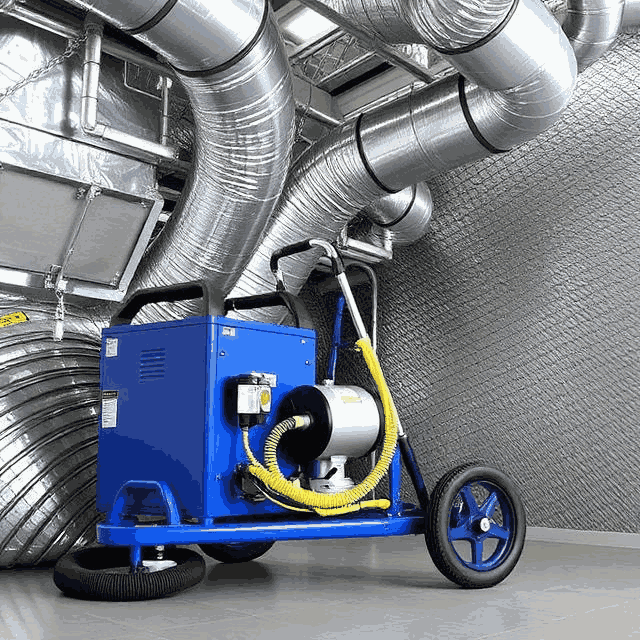
At the heart of any successful operation is the vacuum system. This is the most critical piece of professional duct cleaning equipment because it provides the necessary force to extract debris. Professionals typically choose between two main types of systems: truck mounted units and portable high efficiency particulate air (HEPA) filtered vacuums. Truck mounted systems are incredibly powerful, often utilizing the engine of the vehicle to create massive amounts of suction. These are ideal for large residential homes or commercial buildings where the distance from the van to the furthest vent is significant.
Portable units, while smaller, offer a level of flexibility that truck mounts cannot match. They are perfect for high rise apartments or tight urban spaces where parking a large vehicle is impossible. A quality portable vacuum must still provide high static pressure to pull dust through long runs of flexible or metal ducting. The goal of these machines is to create a vacuum seal within the ventilation system, ensuring that once a particle is loosened, it has nowhere to go but into a collection bag. Companies like urbanduct.com rely on these high power suction systems to guarantee thorough and safe duct cleaning, preventing the very problem a technician is trying to solve by keeping loosened dust from blowing back into the living space.
Understanding Negative Air Pressure
The concept of negative air pressure is the golden rule of the industry. By connecting a heavy duty vacuum to the main trunk line of an HVAC system, technicians ensure that all air flows toward the machine. This specialized professional duct cleaning equipment ensures that even if a leak exists in the ductwork, the suction is strong enough to keep contaminants contained. Without proper negative pressure, a cleaning job can actually make air quality worse by stirring up allergens and letting them drift into bedrooms or kitchens. It is the invisible force that guarantees a successful outcome.
The Role of HEPA Filtration
It is not enough to just suck up the dirt; you have to make sure it stays trapped. Professional machines utilize HEPA filters that are rated to capture 99.97 percent of particles as small as 0.3 microns. When working inside a home, this filtration is vital. If a vacuum lacks these high grade filters, fine dust might pass through the machine and be exhausted right back into the room. True professionals never compromise on filtration because the health of the occupants depends on the equipment’s ability to lock away microscopic triggers like mold spores and pollen.
Agitation Tools: Scrubbing the Walls of the System
Suction alone is rarely enough to remove everything. Over time, moisture and oils can cause dust to cake onto the interior surfaces of the ductwork. To break this bond, technicians use various agitation tools. These are the scrubbers of the professional duct cleaning equipment world. The most common varieties include rotary brushes and air whips. These tools are inserted into the vents and traveled down the length of the pipe, physically knocking debris loose so the vacuum can whisk it away.
Rotary brushes are powered by a flexible cable or a pneumatic motor. They spin at high speeds, making them excellent for metal ductwork where heavy buildup is present. However, for more delicate systems like fiberglass lined ducts or flexible ducting, air whips are often the preferred choice. These tools use compressed air to flick multiple rubber or plastic tentacles against the walls. The whipping action is gentle on the duct material but incredibly effective at dislodging fine silt. Using the right agitation tool requires a mix of experience and intuition to avoid damaging the infrastructure.
Pneumatic Power and Compressed Air
A robust air compressor is a staple in a professional setup. Beyond powering whips, compressed air is used for air washing. This involves using a high pressure nozzle to blow air into the vents, pushing debris toward the main suction source. It is an intricate dance between blowing and sucking that ensures no corner is left untouched. Technicians often use skipper balls or forward blowing nozzles to navigate around corners and through tight junctions that a mechanical brush might struggle to reach.
Dealing with Stubborn Contaminants
Sometimes, a standard brush is not enough. In cases where a home has suffered from water damage or heavy tobacco smoke, the residue can be sticky. Professionals might use specialized chemical foggers as part of their professional duct cleaning equipment kit. These machines apply EPA registered antimicrobials or deodorizers to the interior surfaces after the mechanical cleaning is done. This step kills lingering bacteria and neutralizes odors at the source, providing a level of freshness that mechanical tools cannot achieve alone.
Inspection Technology: Seeing the Unseen
One of the biggest challenges in this industry is that the work is mostly hidden behind walls and ceilings. How do you know if the job is actually done? This is where inspection cameras come into play. Modern professional duct cleaning equipment includes high definition borescope cameras and robotic crawlers. These devices allow the technician to show the client exactly what the inside of the vents looked like before the service and, more importantly, the pristine results afterward.
Robotic crawlers are particularly impressive. These small, remote controlled vehicles can travel deep into a commercial HVAC system, recording video as they go. This technology provides peace of mind for the property owner and acts as a quality control measure for the technician. If a patch of dust was missed in a far corner, the camera catches it, allowing the team to go back and finish the job properly. In the modern era, if a company does not offer a visual inspection, they are missing a crucial piece of the puzzle.
Maintenance and Care of Professional Gear
To keep professional duct cleaning equipment running at peak efficiency, a strict maintenance schedule is mandatory. This is not just about keeping things looking shiny; it is about performance and safety. A vacuum with a clogged filter loses suction rapidly, making the cleaning process less effective and putting strain on the motor. Technicians must be diligent about checking their gear every single day.
- Clean or replace HEPA filters according to the manufacturer’s hourly ratings
- Inspect vacuum hoses for small tears or pinholes that could bleed off suction pressure
- Lubricate the bearings on rotary brushes to prevent overheating during long jobs
- Drain moisture from air compressor tanks to prevent rust and ensure clean air delivery
- Check electrical cords and plugs for any signs of fraying or heat damage
- Sanitize all tools between jobs to prevent cross contamination between different properties
Frequently Asked Questions
Does professional duct cleaning equipment produce a lot of noise?
Yes, the high powered vacuums and compressors are quite loud. Most professionals wear ear protection and suggest that homeowners stay in a different area of the house during the process.
Can these tools damage my flexible ducting?
When used by a trained technician, the tools are safe. Professionals adjust the pressure and choose softer brushes or air whips specifically designed for sensitive materials like flex duct.
How long does it take to clean a house with this gear?
A standard three bedroom home usually takes between three and five hours. The time depends on the size of the system and the amount of buildup present.
Is truck mounted equipment better than portable equipment?
Both have advantages. Truck mounts offer more raw power, but portables allow for HEPA filtration inside the workspace and can reach areas that trucks cannot.
How do I know if the equipment actually cleaned my ducts?
A reputable company will use an inspection camera to provide before and after photos or video, giving you clear evidence of the cleaning results.
Conclusion
The quality of the air you breathe is directly linked to the quality of the tools used to clean your ventilation system. Using high grade professional duct cleaning equipment ensures that dust, allergens, and debris are removed permanently rather than just moved around. It is an investment in the longevity of your HVAC system and the health of everyone inside the building. When you are ready to experience a truly professional level of service, the team at Urban Air Duct Cleaning Inc has the expertise and the advanced technology needed to restore your home’s air quality to its best possible state. Contact us today to schedule an inspection and breathe easier knowing your air is in good hands.