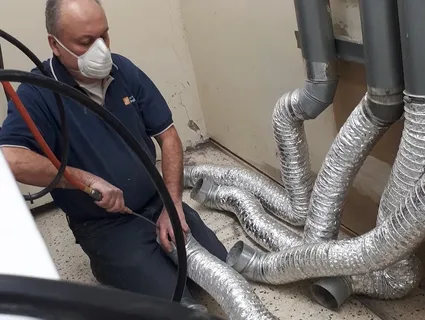
Ducts serve as the hidden arteries of most Toronto homes and condominiums, quietly moving air through heating and cooling systems year after year. Yet in a city defined by its lakefront location, dramatic seasonal shifts, and mix of historic and modern buildings, these same ducts often turn into collection points for unwanted particles and moisture. What begins as minor buildup can evolve into noticeable comfort and health concerns that prompt many residents to finally seek professional cleaning.
How Toronto’s Climate Creates the Perfect Storm for Moisture Problems
Living beside Lake Ontario brings beautiful views but also persistent humidity that affects indoor spaces. Warm, moist summer air meets cooler surfaces inside air conditioning systems, leading to condensation that collects in ducts and on coils. When this moisture lingers, it sets the stage for microbial growth. Health Canada’s guidance on addressing moisture and mould indoors explains that everyday activities cooking, showering, drying clothes add even more water vapour to the air. Without strong enough ventilation, relative humidity climbs, creating damp conditions where mould thrives.
In winter, the opposite occurs: cold outdoor temperatures encourage condensation when warm indoor air hits uninsulated duct sections. These repeated cycles of wetting and drying make Toronto homes particularly susceptible compared to drier regions. Government resources consistently link uncontrolled dampness to mould development, which then releases spores into the circulating air.
Why Older Homes and Constant Construction Make Dust Buildup Worse
Toronto boasts one of Canada’s largest inventories of pre-1990s housing. Over decades, these homes pull in dust, pet dander, pollen, skin flakes, and fabric fibres that settle deep inside ductwork. Normal housekeeping removes surface dirt but leaves the ventilation network untouched. When the furnace or air conditioner runs, these trapped materials get stirred up and redistributed throughout living areas.
Add the city’s nonstop construction boom new condos, renovations, and infrastructure projects and the problem intensifies. Fine particles from drywall, sawdust, and urban traffic find their way indoors and into intake vents. Even occasional large-scale events like past wildfire smoke episodes deposit extra particulates that ducts then harbour. The result is a gradual accumulation that reduces system efficiency and affects daily air quality.
Special Challenges Inside Toronto Condominiums
High-rise living brings its own complications. Many condominium towers rely on centralized or compact HVAC setups with fan coil units that are compact and harder to access. Limited fresh air exchange in sealed modern buildings allows pollutants to concentrate. Restricted duct runs, bends, and shared systems create spots where debris settles and moisture pools. Residents in these buildings sometimes notice musty smells or uneven temperatures that trace back to neglected ventilation components.
The Health Side of the Story
When contaminants circulate continuously, people start feeling the effects. Health Canada notes that mould and dampness indoors can increase risks of respiratory symptoms, including coughing, wheezing, nasal congestion, and aggravated asthma. Children, seniors, and anyone with existing sensitivities feel these impacts more strongly. Many Toronto families report that symptoms mysteriously worsen when the heating or cooling system kicks in exactly when duct contents become airborne.
Beyond mould, accumulated dust and allergens contribute to ongoing low-grade irritation. Poor indoor air does not always cause dramatic illness, but it can sap energy, disturb sleep, and make seasonal allergies feel relentless. Official residential indoor air quality guidelines emphasize that preventing mould growth through moisture control remains one of the most effective protective steps.
Impact on Energy Costs and System Longevity
Dirty ducts force HVAC equipment to work harder. Restricted airflow means the furnace or air conditioner runs longer to reach the desired temperature, driving up monthly utility bills. Over time, this extra strain shortens the life of expensive components like motors and compressors. In a city where energy prices fluctuate and winters demand heavy heating, even modest efficiency losses add up noticeably for homeowners.
Spotting the Warning Signs in Your Own Home
Not every house needs immediate duct cleaning, but certain clues suggest the system has become problematic. Musty or dusty smells when the fan starts, visible particles blowing from registers, frequent filter changes, higher energy bills, or allergy spikes that improve when the system is off all point toward buildup inside the ducts. Black specks near vents or reduced airflow in certain rooms offer further hints. These are practical indicators rather than marketing claims.
Practical Steps Homeowners Can Take
Prevention goes hand-in-hand with occasional professional attention. Changing filters on a regular schedule (every one to three months depending on household factors), using exhaust fans properly during moisture-producing activities, and keeping humidity in the 30–50% range all help. Dehumidifiers prove useful in basements and during humid summers. Sealing duct leaks, insulating exposed sections, and addressing any water intrusion sources further protect the system. Still, when years of accumulation have already occurred, these measures work best after a thorough cleaning.
Looking at the Bigger Picture in Toronto
City life brings constant exposure to urban pollutants, construction dust, and climate-driven moisture. Health Canada publications repeatedly stress that controlling moisture and ensuring adequate ventilation represent the foundation of healthy indoor environments. While individual homes differ, the combination of factors in the Greater Toronto Area makes duct-related issues more common than in many other Canadian cities.
No Need to Worry It’s Not Too Late
If you have started noticing signs and are now looking to restore clean indoor air quality, professional help can make a meaningful difference. Contact with Urban Air Duct Cleaning Inc. for expert service tailored to Toronto homes and improved comfort for your family.