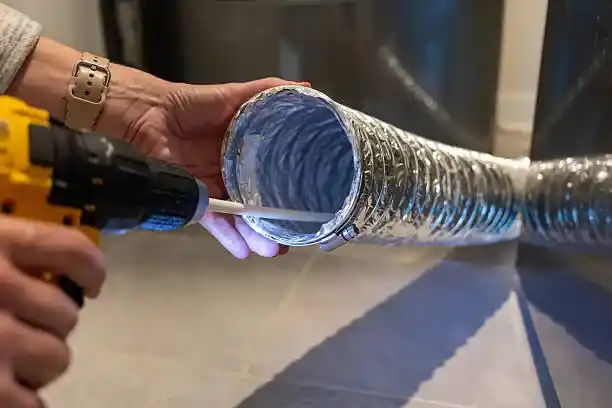
How To Handle Difficult Corners And Bends When Cleaning Flexible Air Ducts

Maintaining a healthy home environment starts with the air you breathe, which often means focusing on your HVAC system. If you are looking into Scarborough ventilation system cleaning, you likely know that flexible piping presents unique challenges compared to rigid metal pipes. When cleaning flexible air ducts, the most frustrating part is navigating those tight corners and sharp bends where dust loves to settle. These pliable tubes are prone to kinks and sagging, making it difficult for standard brushes to pass through without causing damage. Understanding how to manage these tricky spots ensures your system runs efficiently and your indoor air remains fresh.

The Unique Challenges of Flexible Ductwork

Flexible ducts are popular because they are easy to install and can snake through tight attic spaces or crawlspaces. However, their internal structure consists of a thin plastic liner supported by a wire coil. This creates a ribbed texture that traps debris far more easily than smooth metal surfaces. When you are cleaning flexible air ducts, these ribs act like tiny speed bumps for your equipment. If the duct turns a sharp corner, the wire coil can compress, creating a pocket where allergens and pet dander accumulate.

Navigating these bends requires a delicate touch. You cannot simply shove a heavy brush into a ninety-degree turn and hope for the best. The material is thin, and excessive force can lead to punctures that compromise your energy efficiency. Professionals often use specialized cameras to see exactly where the obstructions are located before they begin the process. This visual aid is crucial for determining whether a bend is too sharp for standard tools or if the inner lining has begun to degrade over time.

Specialized Tools for Navigating Tight Bends

To successfully clear debris from a bend, you need equipment designed for maneuverability. Standard stiff rods often fail in these scenarios because they lack the necessary flexibility to follow the pipe’s curvature. Instead, high-quality flexible rods or air-powered whips are the preferred choice. These tools are specifically engineered for cleaning flexible air ducts because they can navigate multiple turns without getting stuck. The spinning action of an air whip uses compressed air to dislodge dust from the wire coils without putting physical pressure on the liner.

Another vital tool is the soft-bristle rotary brush. Unlike the stiff brushes used for sheet metal, these are gentle enough to scrub the interior surface of a flex duct without tearing it. When these brushes hit a corner, they compress slightly and then expand once they pass the turn. This ensures that the entire circumference of the duct is addressed, even in areas where the airflow is naturally restricted by the shape of the run. Using the right tool makes the difference between a job well done and a costly mistake.

The Power of Negative Pressure

Before any brushes enter the system, establishing strong negative pressure is essential. By connecting a high-powered vacuum to the main trunk, you ensure that any dust loosened during the cleaning of flexible air ducts is immediately pulled out of the home. This is especially important at corners where debris tends to settle back down once the brush moves past. The suction helps hold the duct open, providing a clearer path for your cleaning implements to travel through the bends.

Using Navigation Guide Balls

Some advanced systems utilize guide balls at the tip of the cleaning rod. These small, rounded attachments help the tool head glide over the internal ridges of the flexible material. When the rod reaches a bend, the ball hits the side wall and naturally deflects the tool further into the turn rather than poking into the plastic. This simple addition significantly reduces the risk of snagging the wire coil or causing an accidental tear in the outer insulation layer.

Techniques for Smooth Passage Through Corners

When you encounter a particularly stubborn bend, the technique you use is just as important as the tool. It is often helpful to feed the cleaning line slowly while rotating it manually. This allows the head to find the path of least resistance. If you feel resistance, pulling back a few inches and then gently pushing forward again usually does the trick. When cleaning flexible air ducts, patience is your best friend. Forcing a tool through a corner is a recipe for trouble that could leave you with a non-functional ventilation system.

I remember a project where a homeowner tried to use a shop vac and a PVC pipe to clean their own attic runs. They ended up getting the pipe stuck in a sharp turn behind a structural beam. It took hours of careful maneuvering to retrieve the DIY tool without destroying the ductwork. This is why many people choose to hire professionals who have the experience to feel the tension in the lines. A pro knows the difference between a minor snag and a major blockage, allowing them to adjust their approach on the fly to protect the integrity of the system.

Maintaining Integrity While Removing Debris

The primary goal of any maintenance task is to improve performance without causing new issues. Flexible ducts are fragile, and the outer foil or plastic vapor barrier is just as important as the inner liner. During the process of cleaning flexible air ducts, you must ensure that the vacuum pressure is not so high that it collapses the duct entirely. It is a balancing act between having enough suction to remove the contaminants and maintaining enough structural volume for the tools to move freely.

If a duct has too many bends or is excessively long, it might be necessary to create a small access point closer to the problem area. While this is a more involved step, it is sometimes the only way to ensure that a deep corner is truly clean. Once the cleaning is finished, these access points are sealed with professional grade materials to ensure no air leaks occur. This thoroughness is what separates a quick surface clean from a deep, professional hygiene service that actually improves your indoor air quality and lowers your monthly utility bills.

Frequency and Benefits of Clean Ventilation

How often should you worry about these tricky corners? Generally, a full service is recommended every three to five years, though this can vary based on your lifestyle. If you have pets that shed or if you have recently finished a home renovation project, those flexible bends are likely filled with construction dust or fur. Regularly cleaning flexible air ducts prevents the buildup of mold and bacteria that thrive in dark, dusty environments. When the air can flow freely through every corner of your home, your furnace and air conditioner do not have to work nearly as hard.

Beyond the mechanical benefits, there is the peace of mind that comes with knowing your home is not circulating hidden pollutants. When those difficult corners are finally clear, you will notice less dust on your furniture and a significant reduction in seasonal allergy symptoms. It is an investment in the longevity of your HVAC equipment and the health of everyone living under your roof. A clean system is a quiet system, as the air no longer has to whistle past clumps of debris trapped in the tight turns of your attic piping.

Frequently Asked Questions

Can flexible ducts be cleaned without tearing them?

Yes, when cleaning flexible air ducts is performed by experts using soft brushes and pneumatic tools, the risk of damage is extremely low. The key is using equipment specifically designed for the delicate nature of the inner liner rather than the aggressive tools used for rigid metal.

Why does dust collect more in the bends of the duct?

Air slows down as it hits a turn, which causes heavier particles like dust and sand to drop out of the air stream. The ribbed interior of a flex duct provides the perfect surface for these particles to grab onto, creating a buildup over time.

How do I know if my flexible ducts have a blockage in a corner?

If you notice weak airflow coming from a specific vent while others are blowing strong, there is a good chance a bend in that run has accumulated too much debris. You might also hear a fluttering sound as air struggles to pass the obstruction.

Is it safe to use a DIY vacuum kit for these types of ducts?

Most consumer grade vacuums lack the reach and the specialized non marring heads required for this task. Using the wrong attachment can easily snag the internal wire coil, which can lead to significant problems with your airflow.

What is the best way to reach corners that are far from the vent?

Professional technicians use long, high flexibility rods that can reach up to twenty five feet or more. By accessing the system from both the vent side and the main plenum side, they ensure that every inch of the corner is covered.

Conclusion

Handling the twists and turns of your ventilation system requires a specialized approach that respects the fragile nature of the materials involved. By focusing on the right tools and patient techniques, cleaning flexible air ducts becomes a manageable and highly effective way to boost your home comfort. It is about more than just removing dust; it is about ensuring that every corner of your home receives the fresh, clean air it deserves. For residents who want the job done right the first time, reaching out to experts like those at www.urbanduct.com ensures that your system is handled with the care and precision necessary for a healthy home.

Cleaning Flexible Air Ducts

Schedule Your Service

Request a free estimate and start saving today!

Ready for Cleaner Air & Spotless Ducts?

Get your free, no-obligation quote today serving the Greater Toronto Area