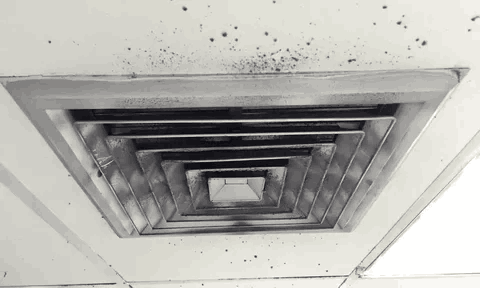
Walking into your home should feel like entering a sanctuary of fresh air and comfort. However, if you happen to look up and notice fuzzy black spots or strange green patches creeping across your registers, that sense of peace quickly turns into concern. Many homeowners find themselves asking: Is mold on air vents dangerous? The short answer is yes, but the reasons why involve more than just a simple eyesore. When mold takes up residence in your HVAC system, it uses your air ducts as a highway to spread spores throughout every room in your house.
Understanding the risks associated with indoor fungal growth is the first step toward reclaiming your home environment. Mold is not just a cosmetic issue that you can wipe away with a damp cloth. It is a biological organism that thrives in the dark, damp corners of your ventilation system. Regular duct cleaning can help prevent mold buildup before it spreads. Professional air duct cleaning ensures that your HVAC system is free from harmful spores and contaminants. Additionally, consistent ventilation maintenance in Scarborough, ON, improves airflow and reduces the moisture conditions that allow mold to thrive. If left unaddressed, mold can impact your health, your property value, and the very air you breathe every single minute you are indoors.
The Health Implications of Breathing Moldy Air
The primary reason people worry about whether mold on air vents is dangerous involves the direct impact on the respiratory system. When your air conditioner or furnace runs, it pushes air over mold colonies living on the vents, releasing microscopic spores into the breathing zone of your family and pets. For those with sensitivities, reactions can be immediate and uncomfortable.
Common symptoms include persistent coughing, sneezing, and watery eyes. In more severe cases, individuals may experience chronic headaches or fatigue that eases when leaving the house. People with asthma or allergies are particularly vulnerable, as spores act as strong triggers for respiratory distress. Prolonged exposure to high concentrations of certain mold species can even lead to serious lung infections or long-term respiratory issues.
Beyond physical symptoms, the psychological stress of living in an unhealthy environment is significant. Knowing the air circulating through your home might be contaminated makes it hard to relax. Protecting your health starts with recognizing that visible growth on vents is often just the tip of the iceberg, signaling a larger problem deeper within the ductwork. Professionals at https://urbanduct.com/ can help identify and safely remove mold to restore clean, healthy air throughout your home.
Why Mold Thrives in Your Ventilation System
To solve the problem, you have to understand why it started in the first place. Modern HVAC systems are designed to manage temperature, but they also inadvertently create the perfect breeding ground for fungi. Condensation is the biggest culprit. When cold air travels through metal ducts located in a warm attic or crawlspace, moisture forms on the surfaces. This standing water, combined with the organic dust and debris that naturally settles in ducts, provides a gourmet meal for mold spores.
Poor humidity control is another major factor. If your home stays above 50 percent humidity, mold can grow almost anywhere. In the kitchen and bathroom, steam adds to the moisture load, which is why you often see the first signs of growth on the vents in those specific rooms. Once a colony establishes itself on the register, it begins to feed on the dust trapped in the grill, eventually sending its roots into the insulation or the interior walls of the ducting.
Ignoring these conditions allows the colony to mature. What starts as a small speck can quickly turn into a widespread infestation that requires professional intervention. Regular maintenance and humidity monitoring are essential tools for any homeowner who wants to prevent these microorganisms from taking over their climate control system.
Identifying Different Types of Growth on Vents
Not every dark spot on a vent is the dreaded black mold, but all growth should be treated with caution. You might see Cladosporium, which often looks like olive green or brown patches and is known for triggering hay fever symptoms. Then there is Aspergillus, a common indoor mold that can appear in various colors and is frequently found in air conditioning units.
The most infamous variety is Stachybotrys chartarum, often called black mold. This type is particularly slimy and dark, thriving in areas with constant moisture. While a laboratory test is the only way to be 100 percent certain of the species, the general rule of thumb is that any growth is unwanted growth. If you are questioning whether is mold on air vents dangerous, you should treat all varieties as a potential health hazard.
Distinguishing between simple household dust and actual mold is usually easy once you get close. Dust looks grey and fibrous, often hanging in “cobwebs” from the vent. Mold, conversely, looks like it is actually growing out of the material. It may have a velvety texture or appear as a series of concentric circles. If you see these signs, it is time to stop the DIY cleaning attempts and call in the experts.
The Financial Impact of Ignoring the Problem
While health is the priority, the financial consequences of neglected mold are also steep. When mold grows inside your HVAC system, it creates biological growth that restricts airflow. This means your system has to work twice as hard to maintain the temperature you set on the thermostat. The result is a noticeable spike in your monthly utility bills and increased wear and tear on expensive components like the blower motor and evaporator coil.
If the mold is allowed to spread into the porous insulation inside your ductwork, the cleaning process becomes much more complex. In extreme cases, contaminated insulation cannot be cleaned and must be completely stripped and replaced. This turns a routine maintenance task into a major home renovation project. Furthermore, if you ever decide to sell your home, a history of mold issues or visible growth during an inspection can significantly lower your property value or even derail a sale entirely.
Investing in professional cleaning early on is a form of preventative maintenance. It protects the longevity of your HVAC equipment and ensures that you are not throwing money away on inefficient cooling. Addressing the question of is mold on air vents dangerous from a financial perspective reveals that the cost of inaction is almost always higher than the cost of professional remediation.
Maintenance Tips to Prevent Future Growth
Preventing mold is much easier than removing it. One of the most effective things you can do is change your air filters regularly. High quality HEPA filters can trap spores before they ever reach the internal components of your system. Additionally, ensuring that your AC condensate drain line is clear will prevent water from backing up and creating the damp conditions that mold loves.
- Keep indoor humidity levels between 30 and 50 percent using a dehumidifier if necessary.
- Ensure that bathroom and kitchen exhaust fans vent directly to the outside of the home.
- Seal any leaks in your ductwork to prevent warm, moist air from entering the cool air stream.
- Avoid carpeting in bathrooms or basements where moisture levels are typically higher.
- Schedule an annual HVAC inspection to catch small leaks or drainage issues before they escalate.
By following these simple steps, you create an environment where mold cannot thrive. Consistency is the key here. A well maintained system stays dry and clean, which naturally keeps the air in your home fresh and safe for everyone.
Frequently Asked Questions
How can I tell if there is mold inside my ducts?
If you notice a persistent musty odor or earthy smell when the system runs, or allergy symptoms worsen at home, mold is likely present.
Can I just clean the vents with bleach?
Bleach may kill visible spores on vent surfaces, but it cannot remove mold inside ducts and may worsen growth by adding moisture.
Is mold on air vents dangerous for pets?
Yes, pets are highly sensitive to mold spores. Exposure can cause coughing, respiratory irritation, or skin issues, especially near floors where spores settle.
How often should air ducts be professionally cleaned?
Experts suggest cleaning every three to five years, or sooner after renovations, heavy pet shedding, or water damage, to prevent mold and dust accumulation.
Will a UV light in my HVAC system kill mold?
UV germicidal lights can reduce mold spores in the air handler, but they only supplement cleaning and are not effective on dirty or clogged ducts.
Conclusion
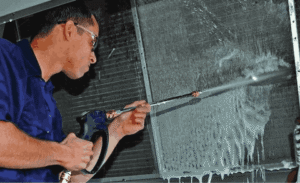
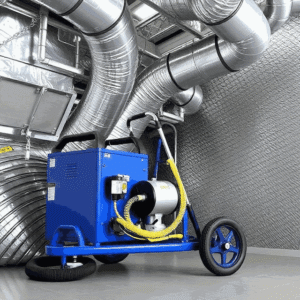
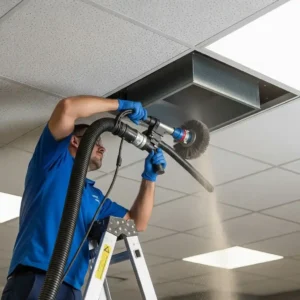
When it comes to your family’s safety, shortcuts are never the answer. If you are concerned that mold on air vents is dangerous, the best step is to contact professionals with the right tools. Expert duct cleaning uses high-powered vacuums and specialized brushes to remove contaminants safely without spreading them into your living spaces. At Urban Duct, we prioritize indoor air quality by thoroughly inspecting and cleaning your entire system, not just the visible vents. This ensures the air you breathe is truly clean. Contact us today at Urban Air Duct Cleaning to schedule your professional service and restore your home to a healthy, safe environment.