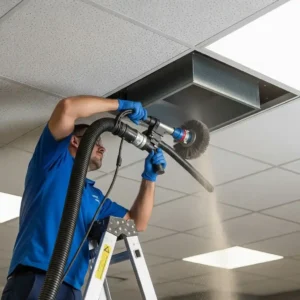
When it comes to maintaining healthy indoor air quality, knowing the difference between mold vs dust in air vents is crucial. Many homeowners in Scarborough, ON, often overlook subtle signs, assuming any accumulation in their vents is harmless dust. However, distinguishing mold from regular dust is essential because mold spores can trigger allergies, respiratory issues, and even structural damage over time. Air Duct Sanitization Scarborough, ON, specialists frequently encounter situations where what looked like routine dust turned out to be early mold growth. Understanding the differences will help you take timely action and ensure your indoor environment stays safe and comfortable.
How Mold Differs From Dust
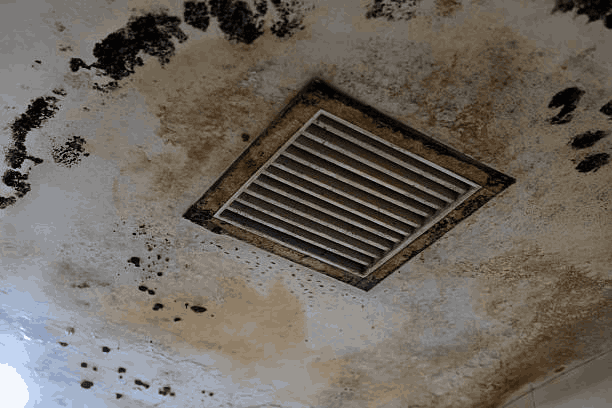
Mold in air vents often appears as dark spots or fuzzy patches, whereas dust tends to look powdery or light-colored. Mold spores thrive in moist environments, so areas near leaks or high humidity are particularly susceptible. Dust, on the other hand, accumulates naturally from household particles such as skin cells, fabric fibers, and dirt from outside. Unlike dust, mold may also emit a musty odor, which is a strong clue for identification. Observing the texture, smell, and location of the deposit inside the vent can give you the first hints. Mold tends to grow in clusters, spreading irregularly, while dust generally forms a uniform layer along vent surfaces.
Identifying Visible Differences
- Mold often appears green, black, or brown with fuzzy texture.
- Dust is usually gray, white, or beige and feels powdery.
- Mold growth may cling in uneven patterns along vent corners.
- Dust typically settles evenly across flat vent surfaces.
Common Causes Behind Mold Growth
Mold in air vents usually starts because of moisture problems, poor ventilation, or temperature fluctuations. Condensation from air conditioning units or leaks from plumbing can create damp environments conducive to mold growth. Dust accumulation itself can worsen mold development by trapping moisture in vent systems. HVAC systems that are rarely cleaned or filters that are old allow spores to circulate, making the problem worse. Understanding the source of mold helps prevent recurrence. Homeowners who notice musty odors or unexplained allergic reactions often discover that vent mold is the hidden culprit. Addressing humidity and ventilation issues is key for long-term control.
Environmental Triggers
- High indoor humidity levels above 50 percent encourage mold growth.
- Water leaks near ducts provide constant moisture for spores to thrive.
- Poorly ventilated spaces reduce airflow, trapping both dust and moisture.
- Organic debris inside vents can provide a food source for mold.
Health Implications Of Mold Vs Dust
While dust can trigger mild allergies or sneezing, mold poses a more significant health risk. Exposure to mold spores can lead to respiratory problems, asthma attacks, headaches, and skin irritation. Children, elderly individuals, and people with compromised immune systems are especially vulnerable. Dust generally irritates the nasal passages, but it does not usually lead to serious illness unless it carries allergens like pollen. Mold in air vents can also affect the air quality throughout your home, spreading spores into rooms and furniture. Paying attention to early warning signs ensures that you safeguard your family’s health.
Recognizing Symptoms
- Persistent sneezing or coughing could signal mold presence in vents.
- Musty odors are often a warning sign of hidden mold growth.
- Dust allergies usually cause mild irritation without lingering health effects.
- Black or green streaks inside vents indicate mold rather than dust.
Practical Ways To Inspect Air Vents
Inspecting your vents regularly can help distinguish mold vs dust in air vent before problems escalate. Begin by removing vent covers carefully and visually examining interior surfaces. Use a flashlight to check corners and hidden crevices. If you notice spots with a fuzzy appearance or discoloration, it is likely mold. Light dust can often be wiped away with a dry cloth, while mold may smear and produce a strong smell. Keeping a log of inspection dates and findings is helpful for monitoring changes over time. Preventive checks reduce the likelihood of serious contamination.
Inspection Tips
- Wear gloves and a mask when checking for mold presence.
- Take clear photos of suspicious areas for comparison later.
- Avoid touching mold directly to prevent spreading spores.
- Note unusual odors or moisture accumulation inside ductwork.
Preventive Measures And Maintenance
Regular maintenance is the key to controlling both dust and mold in air vents. Replace HVAC filters every three months or sooner in humid seasons. Ensure proper airflow by keeping vents unblocked and clean. Dehumidifiers can help manage indoor moisture levels effectively. Scheduling professional air duct sanitization, especially in Scarborough, ON, can eliminate hidden spores and debris. Consistent preventive measures not only improve air quality but also extend the lifespan of your ventilation system. A clean duct system supports healthy indoor living and prevents potential allergic reactions or respiratory issues.
Maintenance Checklist
- Change HVAC filters regularly and use high-efficiency types.
- Wipe vent surfaces with mild detergent or recommended cleaning solutions.
- Check for leaks or condensation near duct joints.
- Schedule professional cleaning annually for thorough mold prevention.
Frequently Asked Questions
How can I tell if it is mold or dust in vents?
Check for fuzzy texture, musty smell, and irregular patterns. Dust is powdery and light.
Is mold in air vents dangerous for children?
Yes, mold can trigger asthma, respiratory issues, and allergies in children.
Can regular dusting prevent mold growth in vents?
Dusting helps, but controlling moisture and professional sanitization ensures better prevention.
What professional services help identify mold in ducts?
Air duct sanitization and inspection services can detect mold early efficiently.
How often should vents be checked for mold vs dust?
Inspect vents at least every three to six months for safety.
Conclusion
Differentiating mold vs dust in air vent is essential for health and comfort. Paying attention to texture, color, smell, and location helps you identify potential issues early. While dust is mostly harmless, mold requires timely attention to prevent health risks and indoor air contamination. Regular maintenance, proper ventilation, and professional air duct sanitization are practical steps toward a cleaner home. For residents of Scarborough, ON, ensuring clean and safe ducts is not just a precaution but a necessary part of home care. Trust the experts at https://urbanduct.com to provide thorough inspections and effective air duct sanitization, keeping your indoor air healthy and fresh.