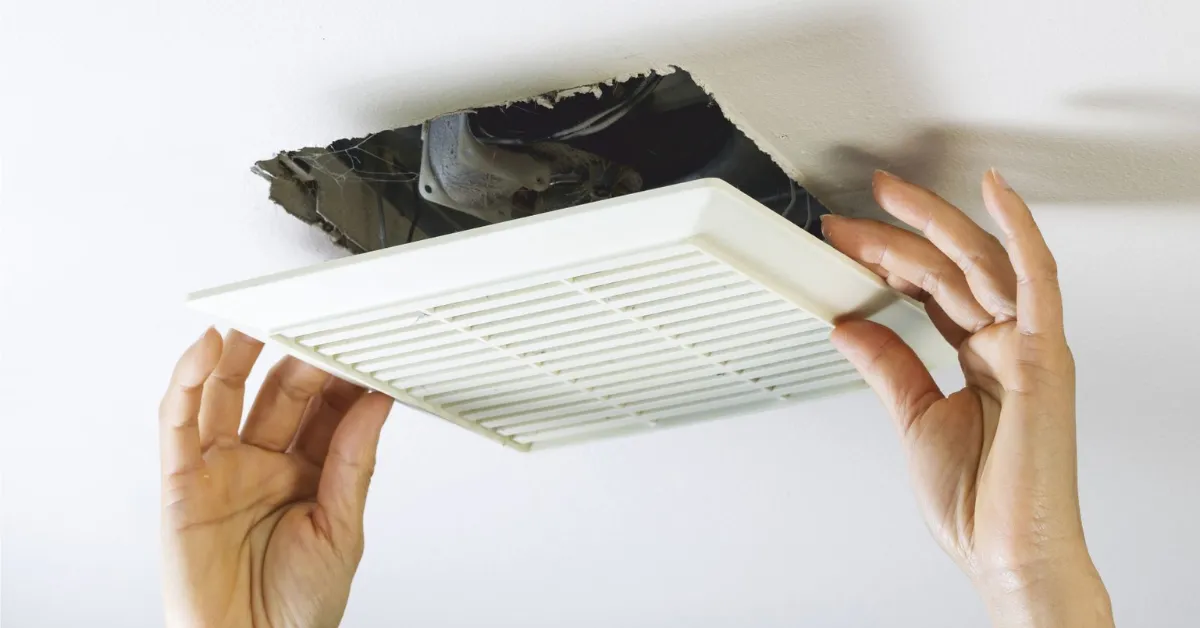
Most homeowners pay plenty of attention to cleaning their bathroom counters, scrubbing the tile walls, and keeping the toilet spotless. However, there is one crucial fixture overhead that quietly keeps working every day yet rarely receives proper attention: the bathroom ventilation system. If you have ever wondered whether bathroom exhaust fans need to be cleaned, the short answer is an absolute yes. Over time, these ventilation units draw in massive amounts of airborne dust, lint, hairspray residue, and excess moisture. When left unchecked, this buildup creates a heavy layer of grime that chokes the motor, cuts airflow, and compromises your home’s air quality.
Ignoring ventilation upkeep leads to visible consequences throughout your bathroom. Excess humidity remains trapped inside the room after hot showers, causing mirrors to stay fogged for extended periods, paint to peel off the ceiling, and stubborn mold or mildew to grow on grout lines. Regular cleaning bathroom exhaust fan assemblies ensures that moist air leaves your home efficiently before it creates costly structural moisture damage. In this comprehensive guide, we will explore why routine maintenance is essential, how to recognize when your fan requires attention, and why professional intervention ensures long term safety.
Why Bathroom Exhaust Fans Accumulate So Much Dirt
A ventilation fan functions by drawing warm, humid room air through its cover grate and pushing it out through a duct network leading outside your property. As the fan operates, it acts like a vacuum for floating atmospheric particles. Microscopic dust, clothing fibers, hair spray aerosols, and powder products get pulled directly into the intake grille. Because high humidity is constantly present in the space, this fine dust mixes with water droplets to form a thick, sticky paste that coats the fan blades, internal housing, and electrical motor components.
As month after month passes, this layer of grime hardens and grows thicker. Airflow becomes restricted because the openings in the plastic cover grid are clogged. Consequently, the fan motor must work much harder to spin the weighted fan wheel. This increased workload leads to overheating, unwanted mechanical noise, and premature component failure. Routine maintenance breaks this cycle, restoring smooth airflow and protecting internal electrical parts from burnout.
Signs Your Bathroom Ventilation Fan Needs Attention
It is easy to forget about an overhead exhaust fan until obvious warning signs appear. Recognizing these early indicators will help you address airflow issues before severe mold growth or electrical damage takes hold:
Excess Moisture and Lingering Steam: If your bathroom mirror stays completely fogged for more than ten minutes after a shower, your fan is no longer venting humidity effectively.
Visible Dust Buildup on Grilles: Seeing visible clumps of gray lint, fuzz, or dark dust coating the vent cover slots means the internal chamber is heavily clogged.
Loud, Rattling, or Whining Noises: A clean fan operates smoothly with a gentle hum. Excessive vibration or loud squeaking indicates that dust has unbalanced the impellers or strained the motor bearings.
Unpleasant Musty Odors: Trapped damp dust inside the vent housing provides an ideal breeding ground for bacterial cultures and fungal spores, causing foul smells whenever the fan runs.
Walls and Ceilings Dripping Moisture: Water droplets collecting on wall surfaces signal that humid air has nowhere to escape, putting your drywall at risk of water decay.
The Hidden Risks of Neglecting Vent Cleaning
Failing to care for your exhaust fan leads to problems far beyond poor ventilation performance. The primary concern is mold and mildew cultivation. High humidity levels trapped inside a closed bathroom seep into drywall seams, ceiling panels, and wood trim. Toxic mold thrives in dark, damp spaces, causing respiratory irritation, skin allergies, and structural damage that costs thousands to restore properly.
Fire hazard risk is another serious concern that many property owners overlook. When thick lint accumulation settles directly over an electrical fan motor, heat dissipation becomes blocked. If an aging fan motor overheats due to mechanical drag while coated in combustible dust, it can ignite a dangerous attic or ceiling fire. Professional bathroom exhaust fan cleaning eliminates these combustible dust layers, ensuring your home remains safe and efficient.
What Does Proper Fan Maintenance Entail?
A thorough ventilation maintenance process goes beyond wiping down the visible cover with a dry cloth. True deep cleaning requires disassembling key components safely and removing hidden debris contained within the ceiling cavity:
Power Disconnection: Safety comes first. The circuit breaker controlling the bathroom circuit must be turned off to prevent electrical shocks.
Cover Removal and Sanitization: The plastic or metal grille cover is carefully detached from its spring clips and soaked in warm, soapy water to dissolve stuck-on grime.
Blower Wheel Cleaning: Dust build-up is carefully vacuumed and brushed away from individual fan blades using a specialized soft-bristle brush or air duster.
Motor Housing Clearing: The surrounding metal box inside your ceiling is vacuumed out to extract settled debris around electrical connections.
Ductwork Inspection: Inspecting and cleaning bathroom exhaust fan duct channels ensures that air travels freely out to the exterior wall vent or roof cap without blockages.
Why Hire Professional Cleaning Services?
While taking off the outer cover for light dusting is a simple DIY task, complete system restoration requires specialized gear and expert knowledge. Dusty fan assemblies often connect to extensive flex ducting that runs through tight attic crawl spaces or floor joists. Over time, these duct lines collect heavy lint deposits, bird nests, or condensation pools that cannot be reached using household vacuum hoses.
By scheduling specialized bathroom exhaust fan cleaning services, trained technicians thoroughly clean every part of the system. Professionals use high-powered negative pressure equipment and flexible rotary brushes designed to clean deep inside duct lines without tearing fragile duct material. Hiring expert bathroom exhaust fan cleaning service providers guarantees that your system vents completely outside, keeping indoor air crisp and clean.
When you choose experienced professionals like Urban Air Duct Cleaning Inc, you get comprehensive system care. Their technicians evaluate airflow performance, clear stubborn blockages, and ensure that electrical housing assemblies operate safely and quietly.
How Often Should You Clean Your Fan System?
For standard household use, doing a quick surface cleaning every three months keeps dust under control. However, a deep system cleaning should be performed at least once a year. Households with large families, pets, or high daily shower usage may require more frequent service to maintain peak airflow efficiency.
If your home has recently undergone interior remodeling or drywall renovation, dusty construction residue will inevitably settle inside your exhaust systems. In such cases, having a qualified bathroom exhaust fan cleaner perform a complete system purge is highly recommended to protect new bathroom fixtures from premature dust exposure.
Frequently Asked Questions
Can a dirty bathroom exhaust fan cause a fire?
Yes, excessive dust accumulation inside the fan housing can pose a genuine fire hazard. When lint wraps around an electrical motor, it traps heat. If the motor overheats due to friction or mechanical strain, the dry dust can catch fire inside your ceiling space.
How do I know if my bathroom exhaust fan is venting properly?
You can perform a simple tissue test. Turn on the fan and place a single sheet of toilet paper or tissue flat against the cover grille. If the suction holds the paper firmly in place, airflow is good. If the paper falls, the fan blades or ductwork are blocked and require cleaning.
Can I clean the ductwork connected to my bathroom fan myself?
While you can easily clean the outer cover and surface motor area, cleaning deep inside the ductwork requires professional equipment. Rigid or flexible ducting running through walls and attics needs specialized rotary brushes and high-suction vacuums to avoid damaging the lines.
Why is my bathroom fan making a loud noise after cleaning?
Loud noise after surface cleaning usually indicates that dust weight was unevenly removed from the blades, causing imbalance, or that the motor unit was not re-seated perfectly into its bracket housing. Re-checking component alignment usually solves the issue.
How long does a professional fan cleaning service take?
A typical professional service for a home bathroom exhaust fan unit and its connecting ductwork takes approximately 45 minutes to one hour per unit, depending on duct accessibility and overall buildup severity.
Restore Proper Airflow in Your Home Today
Do not let accumulated dust and moisture ruin your bathroom environment or compromise your indoor air quality. Protect your family from mold spores and keep your exhaust system running smoothly year round. Contact the certified ventilation experts at Urban Air Duct Cleaning Inc by calling (416) 474-9260 to schedule bathroom exhaust fan cleaning for your property today. Our professional team provides thorough care to keep your living spaces fresh, safe, and comfortable.